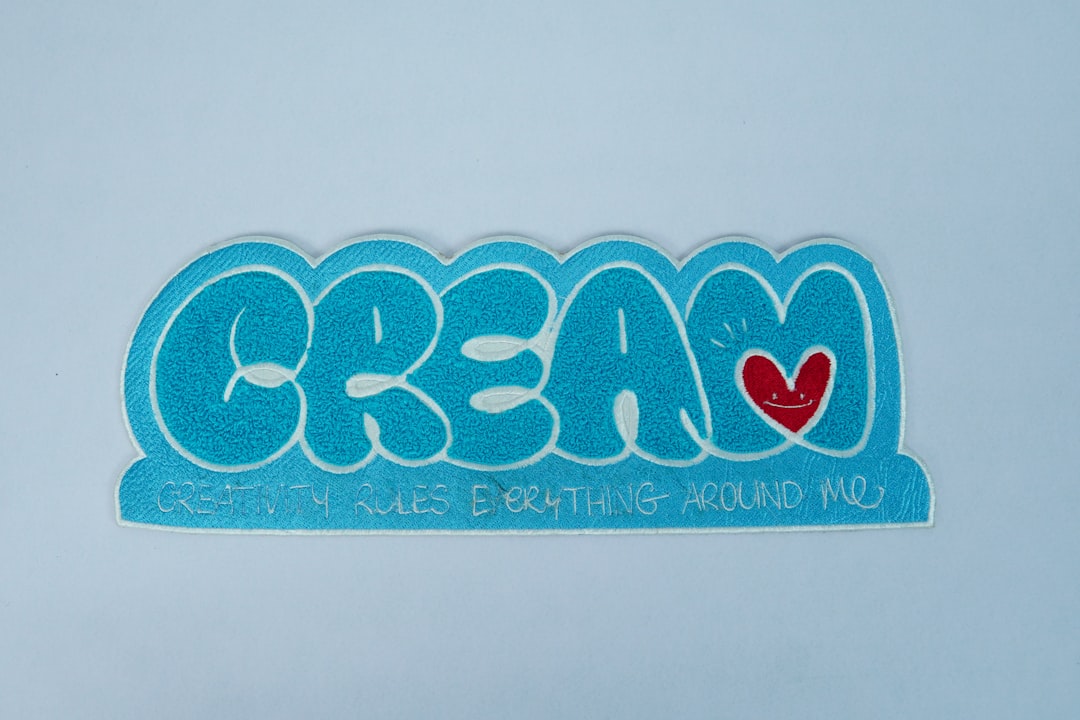
Learn how to wash sports jerseys, hoodies, hats, and other fan gear while reducing the risk of fading, shrinking, peeling, and misshapen decoration. This practical sports apparel care guide covers label checks, stain treatment, washing, drying, folding, storage, and repeatable decisions for different fabrics and logo applications.
Overview
Team apparel combines several materials and decoration methods in one garment. A jersey may use lightweight performance fabric with sewn patches, printed numbers, or heat-applied personalization. A fleece team hoodie may have screen printing, embroidery, or a raised graphic. A cap can include structured panels, a curved brim, adhesive backing, and embroidered sports logos. Because those parts do not always respond to cleaning in the same way, the safest approach is to treat the garment according to its most vulnerable feature.
Start with the sewn-in care label and any instructions supplied by the manufacturer or retailer. General advice is useful, but the product-specific label takes priority. If the label recommends hand washing, dry cleaning, or a particular water temperature, follow that direction rather than relying on a standard laundry routine.
| Item or decoration | Safer default | What to avoid |
|---|---|---|
| Sports jerseys | Turn inside out, use a cool gentle cycle, and air dry | Hot water, high heat, bleach, and rough treatment around numbers or patches |
| Screen-printed shirts | Wash inside out with mild detergent and dry flat or hang dry | Direct ironing on the graphic, harsh chemicals, and high dryer heat |
| Embroidered hats | Spot clean with a soft cloth; reshape and air dry | Machine agitation, soaking without label approval, and hot water |
| Fleece hoodies | Wash inside out on a cool or warm gentle setting and air dry when possible | Excessive heat, overloading the washer, and fabric softener if the label advises against it |
| Performance fabrics | Use a mild detergent, cool water, and prompt drying after washing | Fabric softener, oils, high heat, and leaving damp gear in a closed bag |
| Heat-applied personalization | Turn inside out, use cool water, and air dry away from direct heat | Peeling, wringing, ironing the name or number, and tumble-dryer heat |
The table is a starting point, not a replacement for the care label. Decoration can vary between official sports merchandise, custom team apparel, and older fan gear. When in doubt, choose the least aggressive reasonable method and test stain treatment on an inconspicuous area first.
How to estimate the safest care routine
You can make a repeatable care decision by scoring three inputs: fabric sensitivity, decoration sensitivity, and stain severity. You do not need a formal numeric score; the purpose is to slow down before treating a valuable or personalized item.
- Identify the fabric. Lightweight performance knits, fleece, cotton, wool blends, and structured hat materials each behave differently. Look for the fiber information on the label.
- Identify the decoration. Check whether the design is embroidered, screen printed, sewn on, or heat applied. Raised, glossy, cracked, or flexible areas deserve extra care.
- Assess the stain. A fresh water-based spill usually needs less intervention than dried grease, food, mud, or colored drink residue. Treat the stain before washing rather than repeatedly rewashing the entire garment.
- Choose the lowest effective setting. Use the coolest label-approved water temperature, a gentle cycle when machine washing is allowed, and the least heat possible during drying.
- Inspect before drying. Heat can make some stains harder to remove and can accelerate damage to adhesive decoration. If a mark remains, repeat a suitable pretreatment instead of placing the item in a hot dryer.
This method is particularly useful when caring for a collection that includes jerseys, team hoodies, official team hats, and personalized fan gear. For help selecting a comfortable jersey before buying, see the Sports Jersey Size Guide. If you are comparing construction and decoration on a new purchase, the authentic vs. replica jersey guide can provide useful context.
Inputs and assumptions
Before washing, gather a mild detergent, a clean soft cloth, a basin if hand washing is allowed, and a towel or drying rack. Avoid assuming that a product marketed as a stain remover is safe for every team logo or printed number. Read its directions, dilute it when instructed, and test it on a hidden section.
For most washable jerseys and printed shirts, turn the garment inside out and close zippers or fasteners. Wash with similar colors and avoid overloading the machine, which can increase friction. Do not mix a heavily muddy item with delicate fan gear until loose dirt has been removed.
For embroidered hats, begin with spot cleaning. Dab rather than scrub, use a small amount of mild soapy water if compatible with the label, and keep the hat supported while it dries. Do not assume a cap can retain its shape in a washing machine. Structured crowns and brims may be especially vulnerable to bending or distortion.
For grease or food marks, gently lift excess material with a blunt edge or clean cloth. Apply a label-compatible pretreatment to the stained area, allow only the recommended contact time, and rinse or wash as directed. For mud, let the surface dry enough to brush away loose soil before treating the remaining mark. For colored drinks, blot without rubbing and use cool water first. Never combine cleaning chemicals unless the product directions specifically allow it.
Worked examples
Example 1: A personalized performance jersey after game day
Inspect the care label and the name and number application. If machine washing is allowed, turn the jersey inside out, use a cool gentle cycle with mild detergent, and avoid bleach or fabric softener unless the manufacturer says otherwise. Remove it promptly after washing, check the stain while it is still damp, and air dry on a hanger or flat surface. Keep the jersey away from a hot iron and do not press directly over the personalization.
Example 2: A fleece team hoodie with a printed chest logo
Close any fasteners, turn the hoodie inside out, and wash it with similar colors using the label-approved temperature. If the logo feels raised or flexible, treat it as decoration that can be damaged by friction and heat. Air drying is the conservative choice; if a dryer is permitted, use the lowest suitable setting and remove the hoodie before it becomes fully overheated. Fold it only after it is completely dry.
Example 3: An embroidered cap with a small food stain
Brush away any loose crumbs, then blot the mark with a soft cloth dampened with cool water and a small amount of mild detergent if the care instructions permit it. Avoid saturating the crown, scrubbing across the embroidery, or bending the brim repeatedly. Reshape the hat and let it dry naturally. If the stain remains, repeat a cautious spot treatment rather than immediately using a full immersion wash.
When to recalculate and refresh your care plan
Revisit your routine whenever you buy a new item, add custom lettering, notice peeling or cracking, or move from one type of fabric to another. Recheck the label before the first wash of each new jersey, hoodie, or hat, even if a similar item handled the same routine well. Manufacturer instructions and decoration materials can change between product runs.
Before storing seasonal sports apparel, wash and fully dry each item, inspect for stains, and remove items from damp gym bags or tailgate totes. Fold jerseys and hoodies loosely with printed areas protected from heavy pressure. Store hats supported in a cool, dry place rather than compressed beneath heavier clothing. Avoid plastic storage that traps moisture unless the product instructions specifically call for it.
Use this checklist after every major game-day spill and before off-season storage:
- Read the current care label.
- Identify the fabric and decoration.
- Blot or brush off the stain before washing.
- Turn printed or personalized garments inside out.
- Use the lowest effective wash temperature and mild detergent.
- Inspect the item before applying any dryer heat.
- Air dry and reshape delicate pieces whenever practical.
- Store clean, dry apparel with logos and lettering protected from friction.
Careful maintenance helps team apparel remain wearable for more seasons and can preserve its condition if you later donate, resell, or pass it to another fan. For additional fan lifestyle guidance, explore the official sports hats buying guide before choosing your next cap.